
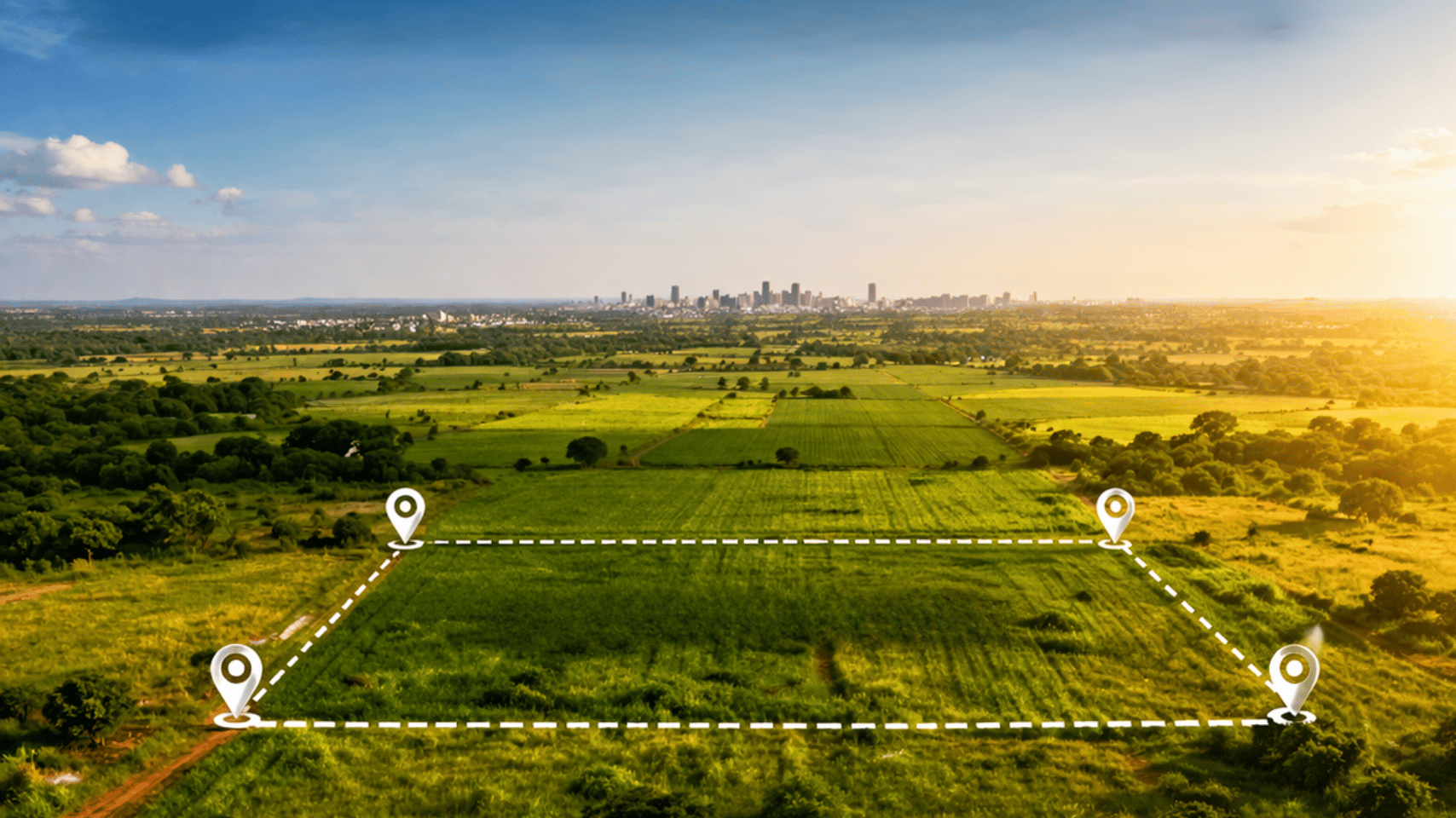
In the world of real estate, timing is everything and when it comes to land investment, sooner is almost always better than later. While many people delay purchasing land in hopes of better opportunities, the reality is that land rarely becomes more affordable over time. Instead, it steadily appreciates, making early investment one of the smartest financial decisions you can make.
What is Driving Property Value Appreciation in Zambia Currently
- Urban Growth and Expansion
Cities like Lusaka are rapidly expanding beyond traditional central areas. Locations that were once considered “far” are now becoming prime residential and investment zones. As demand for housing increases, surrounding areas experience a steady rise in land value, creating new opportunities for investors.
- Infrastructure Development
Government and private sector investments in roads, electricity, water systems, and commercial hubs are transforming land value across Zambia. Areas near newly developed infrastructure such as dual carriageways, shopping centres, and schools, see faster appreciation and increased buyer interest.
- Population Growth and Housing Demand
Zambia’s growing population, particularly its young demographic, is driving demand for housing. This creates a natural upward pressure on land prices, especially in planned developments and secure residential communities designed to meet modern living standards.
- Rise of Planned Estates and Serviced Land
There is a noticeable shift towards organised developments offering surveyed plots, title deeds, and essential services. Buyers are placing more value on security, accessibility, and long-term planning making such land more desirable and more valuable over time.
The Cost of Waiting.
Many prospective buyers delay purchasing land due to price concerns, but often face higher prices within a short period. This pattern is particularly evident in and around Lusaka, where land values have trended consistently upward driven by rapid urbanisation, infrastructure development, and growing demand for serviced, titled plots. With supply in this segment remaining structurally constrained, the conditions pushing prices higher show no sign of easing.”
Land values in and around the capital have trended upward over time as a result, with documented cases of 40–60% price appreciation following utility connections in peri-urban growth corridors (Daka & Associates, 2026).
Waiting can also mean;
- Losing access to well-located plots
- Facing higher entry prices
- Missing out on flexible payment plans often offered during early sales phases.
“What seems like a cautious decision today can become a missed opportunity tomorrow.”
Why Investing Early Makes Sense
Investing early allows buyers to secure land at current market rates before further appreciation occurs. Many developers in Zambia offer structured payment plans, making it easier to enter the market without needing full upfront payment. Over time, as infrastructure develops and communities grow, the value of that land increases significantly.
Additionally, owning land provides peace of mind. It is a tangible, appreciating asset that can be passed down through generations or used for future development. Whether for building a home or holding as an investment, early ownership creates flexibility and financial stability.
Locations investors should look out for;
-
- East of Lusaka ( Great East Road corridor – Leopards Hill, State Lodge, New Kasama Silverest, Chongwe): This is currently Lusaka’s most active residential growth zone. Large-scale structured developments such as Nkwashi signal sustained long-term demand. Proximity to international schools, shopping centres, and improving road infrastructure has made this corridor a consistent target for middle- and upper-income buyers.
- Lusaka South & North ( Shimabala, Chilanga, Kabangwe ): These areas offer a more affordable entry point into Lusaka’s property market while remaining within reasonable commuting distance of the city centre. It is a strategic location for investors looking to enter early in a fast-expanding urban zone.
- Lusaka South and West – Multi-Facility Economic Zone: Strategic growth hub attracting industrial, commercial, and residential investment.
- Chongwe: High-growth satellite town benefiting from urban spillover and structured developments.
- Ndola & the Copperbelt: Strong investment potential driven by commercial and industrial activity.
- Livingstone: Tourism-led growth ideal for hospitality, holiday homes, and short-term rentals.
- Emerging Lifestyle & Investment Areas (Chisamba, Siavonga, Central Province): Growing interest in lifestyle estates, agri-investments, and weekend homes.
These locations may still be developing, but that is where the opportunity lies, investing before demand peaks and prices rise significantly.
Key Considerations for Zambian Buyers
Before purchasing land, it is important to verify documentation and confirm that the property either has a valid title deed or is part of a legitimate process toward obtaining one. Particularly in the case of traditional land, where Chief’s consent, local authority approvals, and the potential for title conversion are essential. Working with reputable developers, agents, or recognized traditional authorities helps reduce the risk of fraud and disputes, which remain a concern in the market.
Buyers should also assess location potential by considering nearby developments, planned infrastructure, and accessibility to roads and essential services. Additionally, understanding land use regulations, boundary clarity, and overall development potential is key to determining long-term value and avoiding future complications.
Final Thoughts
In Zambia, land is more than just property, it is a strategic investment in your future. As cities expand and infrastructure improves, land continues to grow in value, rewarding those who act early and decisively.
The difference between buying today and waiting a few years can be significant not just in price, but in opportunity, location, and long-term returns.
Invest now, not later because in Zambia’s real estate market, time truly is money.